
Using Student Interests to Build Vocabulary in Middle School
Thu, Apr 30, 2026
Introduction
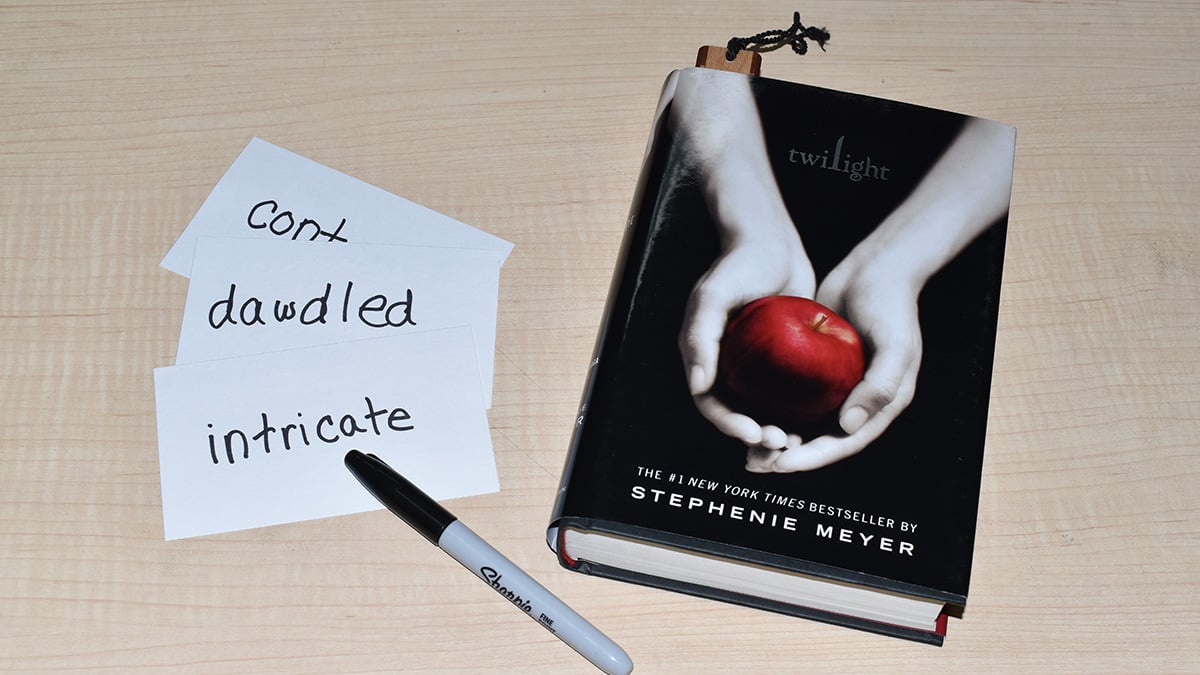
Testing season is a high-pressure time for students, educators, and school communities. With major exams like state tests, AP assessments, and final exams taking place, stress levels can rise quickly and impact both performance and well-being.Friends and family are surprised by the books or movies I mention watching. When I tell them watching “Twilight” was part of my “professional development,” they laugh. But teachers quickly learn that staying familiar with student interests can be part of the job. Knowing what students enjoy helps build their buy-in during class.
Recently, that “professional development” helped during a vocabulary lesson with a middle school student. I was working one-on-one with a student to support vocabulary goals on their IEP. The class was reading Number the Stars by Lois Lowry. Several vocabulary words in the text were unfamiliar to the student, including contempt, dawdled, and intricate. These words were important for understanding the story, but they were hard for the student to comprehend while reading.
I knew the student I was working with loved the “Twilight” series by Stephenie Meyer, so it was an easy place to start. We used scenes and images from those films to explore the ideas behind the vocabulary.
In this post, we’ll look at how connecting vocabulary to student interests can help middle school readers better understand unfamiliar words and apply them in classroom texts.
When students are interested in a topic, they process information more deeply and remember new vocabulary more easily. Background knowledge also helps readers make sense of unfamiliar words and ideas.
Why Vocabulary Knowledge Matters
Vocabulary plays a key role in reading comprehension. When students understand key words, they can better follow events in a story, interpret character actions, and understand the larger themes of a text.
In my work as a Teacher of the Deaf and Hard of Hearing, I often see vocabulary gaps influencing how a reader responds to a text. For middle school students, unfamiliar vocabulary can quickly become a barrier to comprehension. This is especially true in historical fiction or content-area reading. When students face too many unknown words, they may lose track of the story or disengage from the reading.
While I use this approach most often with students who are Deaf or Hard of Hearing, vocabulary challenges are not limited to those learners. Students with language delays, multilingual learners, and students with limited background knowledge may also struggle with unfamiliar words.
When students cannot connect a word to something they already understand, the story becomes harder to follow. Linking new vocabulary to familiar interests helps learners build stronger connections to new words.
Real Example: Connecting Vocabulary to Student Interests
In the lesson, the novel Number the Stars included the vocabulary words contempt, dawdled, and intricate. To help the student understand these words, we first connected them to a story the student already knew well.
Because the student enjoyed the “Twilight” series, we used images from the films to illustrate the meaning of each word.
We created simple PowerPoint slides for each vocabulary word using images from the “Twilight” films the student already knew well. That immediately caught the student’s attention.
Each slide included:
-
the vocabulary word
-
a student-friendly definition
-
an image from the “Twilight” films illustrating the concept
-
a short sentence using the word and the characters shown in the image
For example:
Edward looked at Jacob with contempt.
Bella dawdled before walking into the school.
Bella’s wedding dress had an intricate design.
Once the student understood the vocabulary through these familiar examples, we added a final slide that applied the word to the context of Number the Stars. This slide did not include an image. Instead, it included a sentence or two showing how the vocabulary word could apply to the characters or events in the story.
By first building understanding through a familiar context and then returning to the assigned reading, the student was better able to recognize and understand the vocabulary when it appeared in the story.
How to Use Student Interests to Support Vocabulary Learning
Identify Key Vocabulary from the Text
Choose vocabulary that is important for understanding the assigned reading. Focus on words that appear several times or help explain key events.
Connect the Vocabulary to Student Interests
Identify topics the student enjoys such as books, movies, games, music, or hobbies. Use examples from those interests to demonstrate the meaning of the vocabulary.
Use Visual Examples
Images from familiar stories help students picture how the vocabulary is used. Visual supports can make abstract words easier to understand.
Return to the Story
After exploring the vocabulary through familiar examples, return to the assigned reading. Ask students to identify how the vocabulary applies to the characters or events in the text.
Tips for Supporting Vocabulary Development
-
Focus on a small number of key vocabulary words.
-
Use visuals whenever possible to support understanding.
-
Encourage discussion so students can explain words in their own way.
-
Revisit vocabulary as it appears again in the story.
-
Connect new words to situations students already understand.
Quick Classroom Idea
Select two or three vocabulary words from an assigned reading. Ask students to describe how those words might appear in a favorite book, movie, hobby, or activity they enjoy. Once students explain the idea in that familiar context, return to the story and ask them to find where the same words apply.
Closing
Vocabulary learning becomes more effective when students feel connected to the material. By linking vocabulary to student interests, educators can create engaging opportunities for students to explore new language.
Sometimes the bridge to understanding starts with something a student already loves.
Author: Janelle Parker
Disclaimer: The information provided in this blog is for general informational purposes only and should not be considered as professional advice. The content is based on the author's personal experiences, research, and opinions. It is always recommended to consult with a qualified professional or expert before making any decisions or taking action based on the information provided in this blog.